Home Care vs Assisted Living: Rural and Urban Considerations
Business Name: FootPrints Home Care
Address: 4811 Hardware Dr NE d1, Albuquerque, NM 87109
Phone: (505) 828-3918
FootPrints Home Care
FootPrints Home Care offers in-home senior care including assistance with activities of daily living, meal preparation and light housekeeping, companion care and more. We offer a no-charge in-home assessment to design care for the client to age in place. FootPrints offers senior home care in the greater Albuquerque region as well as the Santa Fe/Los Alamos area.
4811 Hardware Dr NE d1, Albuquerque, NM 87109
Business Hours
Families hardly ever pick between home care and assisted living in a vacuum. Geography shapes what is practical, what is affordable, and what feels right. A moms and dad living on a farm an hour from the nearest health center has different alternatives than a couple in a downtown apartment with an elevator and a grocery delivery membership. The care requirements might be similar, yet the environment, logistics, and community resources tilt the scales.
I have actually sat at cooking area tables where a daughter holds a stack of sales brochures for assisted living neighborhoods in the city, then looks out the window at the ranch her father developed and says, "He will not leave that oak tree." I have likewise toured metropolitan homes where the hallways are too narrow for a new power wheelchair, and the family understands that the structure is the barrier, not the person's health. The right response lives at the intersection of requirements, setting, and values.
This guide takes a look at the trade-offs in between at home senior care and assisted living with a lens on rural and metropolitan truths. If you are weighing options, use this as a map, not a script. Regional details matter. So do routines, neighbors, and the sensation you get when you walk through a front door.
What "home care" and "assisted living" actually mean
The terms get considered and can blur together, especially in marketing. In practice:
Home care describes services provided where the individual lives, usually a personal residence. A senior caretaker may assist with bathing, dressing, toileting, meals, light housekeeping, and transportation. Skilled home health can include nursing, physical therapy, or wound care under medical orders. Numerous households combine nonmedical in-home care with adult day programs and telehealth to develop a sustainable plan.
Assisted living is a residential setting with private or semi-private apartment or condos, shared dining, activities, and personnel on website. The core promise is help with everyday activities and medication oversight, not continuous nursing care. Memory care is a customized subset developed for dementia, with protected entryways and staff trained in cognitive support. The majority of assisted living neighborhoods organize on-site home care service add-ons for higher requirements, though costs rise quickly.
The option is rarely binary permanently. Individuals move from one to the other as needs change. Geography affects how adaptable each course can be.
How rural and city settings modify the equation
On paper, you might compare expense per hour to cost monthly and make a neat spreadsheet. On the ground, numerous place-based factors turn that spreadsheet into a conversation.
Staffing and accessibility. Urban areas generally have a deeper swimming pool of senior caretakers, including multilingual assistants, weekend protection, and specialized skills. In rural counties, agencies may cover large territories, which indicates longer travel time and less offered shifts. I have actually seen households in villages wait weeks to protect a consistent in-home care schedule. Assisted living options can also be sporadic. The nearby community might be 45 miles away, typically with a waitlist.
Transportation and gain access to. Cities offer paratransit, rideshare, same-day drug store shipments, and fast access to centers. That makes in-home care work smoothly even at lower hours each week. In backwoods, weather condition and distance sluggish whatever down. A caretaker canceled by a snowstorm is not back in 2 hours. If the strategy depends on a next-door neighbor's pickup to get to dialysis, construct redundancy.
Housing stock and security. Single-story homes with wide entrances and a walk-in shower make home care easier. Lots of rural homes are currently set up that method by necessity, while urban homes often have narrow bathrooms and tub-shower combinations. However, urban structures may have elevators and on-site upkeep, while rural homesteads can conceal steep actions, gravel paths, and aging wiring.
Social fabric. In towns where everyone understands your name, informal aid can be strong. A church group might deliver meals, and the hardware shopkeeper may fix a grab bar on his lunch break. In cities, the safety net looks different: community centers, senior day programs, and community volunteers. Assisted living in a metropolitan area may provide richer day-to-day activity calendars, just since there are more people around.
Emergency reaction. Urban EMS response times tend to be much shorter, and medical facilities are closer. In backwoods, a fall at midnight can suggest a long wait. Personal emergency situation reaction systems assist, but only if there is trustworthy cell coverage or a landline. Assisted living usually supplies quicker in-house response, although staffing levels differ by state and by building.
Cost contours you can in fact prepare around
Money is not the only factor, however it sets borders. Prices vary commonly by area, yet some patterns hold.
In-home care is normally billed by the hour. In many urban markets, standard rates vary from 28 to 40 dollars per hour for nonmedical personal care. Rural rates can be lower, sometimes 22 to 30 per hour, however travel costs or minimum shift lengths are common. A four-hour minimum is typical. If you require 12 hours daily, seven days a week, those numbers climb up quickly and can exceed assisted living costs. If you need four hours twice a week, home care frequently wins hands down.
Assisted living is billed month-to-month and consists of real estate, meals, utilities, and base care. Urban neighborhoods often begin in between 4,500 and 7,500 dollars per month, with tiers for care that include 500 to 2,000. Store buildings in prime areas can go beyond 9,000. Rural and suburban neighborhoods may land in between 3,500 and 5,500, though pricing spreads are wide.
Insurance and benefits matter. Medicare covers intermittent experienced home health, not long-term individual care. Medicaid programs vary by state and county, and here geography is definitive. Some states fund home- and community-based services elder care albuquerque nm waivers that allow elders to receive considerable in-home care; rural slots might be limited. Others fund assisted living through special programs, frequently with caps and waitlists. Veterans can tap Help and Presence benefits, which can balance out either alternative, however claims take time.
Transportation expenses, home modifications, and out-of-pocket medical products are the undetectable line products. A new ramp might be 3,000 to 8,000 depending on materials and slope. A walk-in shower can hit 10,000 in an older home with plumbing quirks. In the city, you might avoid a car totally, which offsets some care expenses. In the country, fuel and automobile maintenance for caretakers and household add up.
Safety, dignity, and the rhythms of everyday life
Numbers are half the image. Quality of life inhabits the other half. The very best strategy allows someone to keep being themselves, safely.
Home is a powerful word. Elderly home care keeps familiar routines intact. Coffee in a favorite mug. The dog underfoot. Neighbors who knock on the back entrance without texting first. That smooth familiarity reduces confusion for individuals with moderate cognitive decline. But home may harbor dangers: scatter carpets, dim hallways, a basement laundry with steep stairs. A sensible home assessment typically exposes that a handful of targeted changes plus a constant home care service schedule can change the space.
Assisted living uses structure. Three meals, group activities, corridor walking friends, staff close by. For somebody who is lonely or skipping meals, that consistency can be a video game changer. I saw a retired teacher who was losing weight in your home gain ten pounds in two months after relocating, merely because the dining-room made meals social and inescapable. Yet the exact same structure can feel confining to individuals who prize autonomy. In rural households utilized to operating at dawn, a 9 a.m. breakfast call can feel late and rigid.
Privacy and control. In-home senior care is tailored hour by hour. You choose who can be found in and when. In assisted living, you survive on a campus that works on schedules and shared space. Urban communities might pack more homeowners into smaller sized footprints, which can raise sound levels. Rural communities frequently have bigger grounds and outdoor areas, which matters to garden enthusiasts and walkers.
Medication management. Home care can support pillboxes and reminders, and home health nurses can fix up meds after hospitalizations. Assisted living typically handles medications end to end for an additional fee. For folks with complicated regimens, this gets rid of a heavy cognitive load.
Technology and infrastructure: helpers or hurdles
Telehealth, wise sensors, and remote monitoring create new choices, but they do not erase geography.
Connectivity. Urban broadband makes video sees uncomplicated. In rural pockets with limited bandwidth, an old-fashioned telephone call still dominates. Remote heart monitoring and fall detection devices depend upon dependable cellular or Wi-Fi. If your farmhouse beings in a dead zone, pick devices that works over landline or has strong offline logging features.
Home modifications. Cities use more professionals who focus on aging-in-place upgrades. Rural areas might have less suppliers, yet the ones you find frequently know the local real estate quirks and can be remarkably resourceful. Shipment times for specialized equipment can be longer in remote regions, so order early and keep a backup.
Smart scheduling. App-based clock-in systems let companies track caregiver arrivals. Urban caregivers frequently depend on public transit, which is foreseeable however based on delays. Rural caretakers might drive cross countries and handle snow, gravel roads, and wildlife at sunset. Construct a 15-minute buffer into expectations and set up a neighbor or family fallback for crucial tasks like insulin administration when possible.
Staffing truths behind the brochure
When you visualize a senior caretaker, think beyond the uniform. Think commute, child care, language skills, and the price of gasoline.
Urban firms can hire from a larger pool. That implies it is simpler to find a caretaker who speaks a specific language or who has experience with Parkinson's or ALS. It also makes schedule coverage more robust throughout holidays. Turnover exists everywhere, but large teams shuffle coverage more easily.
Rural agencies depend on a smaller sized labor force with longer commutes. Relationships are deeper, and connection can be exceptional, yet protection gaps are more disruptive when someone is sick. If you reside on a county line, ask whether an agency covers both sides or just one. Otherwise a hospital discharge across the border can make complex staffing.
Assisted living staffing ratios differ more than individuals understand. State regulations set standards, however real hands on deck depend upon the operator. Urban neighborhoods frequently have night shift floaters and a devoted medication service technician per floor. Rural communities might have two assistants covering an entire small building overnight. Tour at off hours and ask who reacts at 2 a.m.
Training and supervision. In-home care can be hit-or-miss unless the firm buys ongoing training. Ask about dementia training, transfer and lift proficiency, and escalation protocols. Assisted living must train staff on the structure's treatments, however disease-specific competence varies. Enjoy how staff talk with residents. Tone matters as much as staffing numbers.
Rural truths that form the choice
When you live far from services, care plans need to be durable. A single point of failure is a danger you can feel.
Distance to healthcare facilities. If the nearby health center is 40 miles away and the winter season roadways glaze over, think about how to decrease emergency journeys. This may imply more hours of in-home care during high-risk periods, setting up grab bars in pairs not singles, and establishing a clear "call very first" plan with a nurse line. Households sometimes choose that moving to assisted living in the nearby little city brings sufficient medical proximity to surpass the loss of land or livestock routines.
Weather and power. Rural blackouts can last hours or days. Oxygen concentrators, CPAPs, and power lift reclining chairs require contingency plans. A little generator and a rotation of batteries for critical gadgets are useful, not elegant. If an individual utilizes an electrical medical facility bed, make sure it has a manual override.
Pets and residential or commercial property. Home care supports day-to-day routines on a working home: feeding chickens, letting a farm canine in and out, pulling mail from a box at the roadway. Assisted living normally does not. Some neighborhoods are pet-friendly for small animals, yet couple of welcome a hound that wants to run the fenceline at dawn. If animals are central to identity, weigh that heavily.
Family distance. Rural families frequently reside on the very same road. A son can sign in on his way to the feed store, and a granddaughter comes by after school. That informal web can anchor a home care plan with less paid hours. If adult children relocated to cities, the reverse holds true. Weeklong spaces in between gos to strain a lean in-home plan. Assisted living ends up being a way to add daily eyes and ears.
Urban restraints and opportunities
Cities can make life easier and more difficult at the same time. The details of the structure and the community choose which method the scale tips.
Building availability. Elevators break. Co-op boards have rules about stair lifts. Historical houses hide bathrooms that can not fit a walker sideways. Before devoting to long-term home care, stroll the course from bed to restroom with a rollator in hand. Step entrances. If you need a brand-new shower, inspect your structure's renovation policies. A three-month license procedure can hinder plans.
Neighbors and noise. A lively street means services downstairs, but it can likewise indicate nighttime sirens and deliveries. Individuals with dementia might discover the sensory load overwhelming. On the other hand, city parks provide flat, well-lit strolling courses. A caretaker can loop a block for 20 minutes and pass three benches, a pharmacy, and a pastry shop without crossing a street.
Activities and purpose. Urban assisted living communities typically partner with museums, libraries, and schools. I have seen locals go to a regional jazz wedding rehearsal on Thursday afternoons and host a book club with the community curator. For social butterflies, that variety is gold. For introverts, it can feel like pressure unless the staff appreciates no-thanks days.
Care saturation. In thick markets, the best firms and neighborhoods are full. Strategy ahead. When a healthcare facility discharge planner states, "We require a response by Friday," you want your shortlist prepared, consisting of second and 3rd choices. If you anticipate live-in care, validate structure policies. Some co-ops limit non-family residents to a set variety of days without board approval.
When home care fits, and when it starts to buckle
Families often request for thresholds. A couple of signals help.
Home care fits well when the person is oriented enough to be safe alone in between gos to, or when there is a trusted household existence most days. It shines when the home design supports movement and when neighborhood resources fill spaces. For instance, in a town, a retired mechanic with mild Parkinson's thrived with four hours of aid each early morning, a hot lunch delivered by the church, and twice-weekly physical treatment. Costs remained sensible, routines remained familiar.
It begins to buckle when nighttime requirements grow and you face spending for 24-hour coverage. Even at a modest 25 dollars per hour, that is 18,000 per month. If occurrences accumulate, like repeated falls or medication errors regardless of supports, the structure of assisted living can reset the threat. Burnout is also a genuine threshold. If a spouse caregiver looks exhausted, and adding hours does not restore their reserve, the plan needs a larger change.
Assisted living as a bridge, not a finish line
Moving into assisted living can be momentary or adaptive. Individuals relocate for winter season, then go home in the spring after a bathroom remodel. Others utilize it after a hip fracture to restore strength with on-site treatment. In cities with lots of options, attempt a respite stay. Two to six weeks can expose whether the environment supports health without locking you into a long lease. In rural areas, respite beds are scarcer, however ask anyway. Some small neighborhoods keep one apartment or condo flexible for precisely this purpose.
Level of care creep is real. A person might start at a base rate and add medication management, then move support, then assist with incontinence. Revisit the care strategy quarterly. If you are paying for near-continuous individually support inside assisted living, you might be better off with a small home plus live-in care, depending upon local labor markets and your tolerance for managing schedules.
A useful way to decide
Use a brief, focused procedure to test truth rather of assumptions.
- Map needs throughout a normal day and night, including meals, medications, mobility, toileting, and social contact. Keep in mind the highest-risk minutes, not simply the average ones.
- Pressure-test the home. Walk the area with a gait belt and a walker. Time the distance from bed to restroom. Recognize any "one fall away" risks, then cost fixes.
- Price three models with genuine quotes: light in-home care plus community supports, heavy in-home care with nights, and assisted living with the likely care tier. Consist of transport, supplies, and modifications.
- Vet the human factors. Who will exist at 7 a.m., who at 7 p.m., and who gets the phone at 2 a.m. Ask firms and communities to reveal you their off-hours protection plans.
- Pilot for 2 weeks. Start the option you think will work, determine sleep, nutrition, falls, state of mind, and caregiver tension. Adjust based upon data, not hope.
That list leaves room for worths. If the numbers indicate assisted living however a spouse says, "I promised we would remain," you can still map a path: more hours, a generator, a video doorbell for safety, a standing Thursday respite day to safeguard the caretaker's health. If the heart desires home and the body needs help, construct the help.
Case sketches from the field
Ella, 84, lives alone in a rural farmhouse with her border collie, 2 miles of gravel from the highway. She has heart failure, steady however fragile. Her daughter lives 20 minutes away with a busy task. We lined up six hours of senior home care daily: breakfast, meds, a walk, lunch prep, and light housekeeping. We installed a ramp and a second handrail on the cellar stairs to reach the chest freezer securely. A neighbor consented to be the storm contact. When winter season hit, we added a night examine heavy snow days. Expenses stayed under 4,000 per month consisting of the caretaker hours and snow contingencies, and Ella kept her pet dog and her view.
Carlos and Mei, both 79, live in a third-floor walk-up in the city. Carlos has early dementia, Mei is physically strong but exhausted. The bathroom is narrow, the tub high. The co-op board rejects a tub cutout without full renovation. We attempted four hours of in-home care in the morning and two in the evening for 3 weeks. The caregiver had problem with the stairs carrying laundry, and Mei hardly slept. We explored nearby assisted living neighborhoods. One had a memory care flooring with a Cantonese-speaking assistant and a shuttle to their favorite park. They moved in on a respite basis for a month. Mei slept, Carlos signed up with a morning tai chi group, and they selected to remain. Their regular monthly spend was slightly greater than heavy home care would have been, however the sleep and security gains were decisive.
Jamal, 68, in a town, utilizes a power wheelchair after a stroke. He is tech-savvy, has fiber web, and cooks well. We established in-home take care of 3 hours every other day, added outpatient therapy, and set up 2 electronic cameras in the hallway and kitchen that he controls. A fall sensor near the restroom sends notifies to his sister in the next county. He keeps his task part-time, remote. Assisted living would have uprooted that independence and added rules around meals and visitors he did not desire. The home plan worked due to the fact that your home fit him and the tech infrastructure was strong.

Red flags and green lights
Look for truthful signs instead of promises.
A strong home care plan has constant caretakers, backup protection in writing, a safe home design, and at least two people who can respond in a pinch: one paid, one casual. The individual feels seen and keeps their regimens most days. Medical consultations take place on time.
A strong assisted living option shows staff who greet homeowners by name, responsive night coverage, transparent care tier prices, and a pattern of citizens who look participated in areas beyond the lobby. You feel comfortable sitting in the dining-room during lunch, not offered to in a conference room.
Red flags at home consist of increasing nighttime confusion, missed medications regardless of systems, and a caregiver spouse losing weight or skipping their own visits. Red flags in assisted living consist of unclear responses about staffing, locked activity spaces during the tour, and a smell of masking representatives rather than tidy air.
The human part that constantly matters
The best decision normally emerges when you balance three truths. First, safety and self-respect are the nonnegotiables. Second, cash and logistics set the bounds, and it is much better to deal with that early. Third, location is not just a backdrop. The land, the block, the next-door neighbors, the routines, all of it shapes health. Home care, at home senior care, and assisted living are tools, not identities. An individual is not "a home care person" or "an assisted living individual." They are themselves, and the care should follow.

If you are stuck in between choices, give yourself consent to attempt one path with an exit ramp. Use respite. Test equipment. Ask blunt concerns. And keep in mind that the goal is not to win an argument between designs of senior care. The objective is mornings that start with calm, days that feel purposeful, and nights that are peaceful adequate to sleep. Where that happens best might shift with the season, the weather condition, or the medical diagnosis. That is typical. The plan can shift with it.
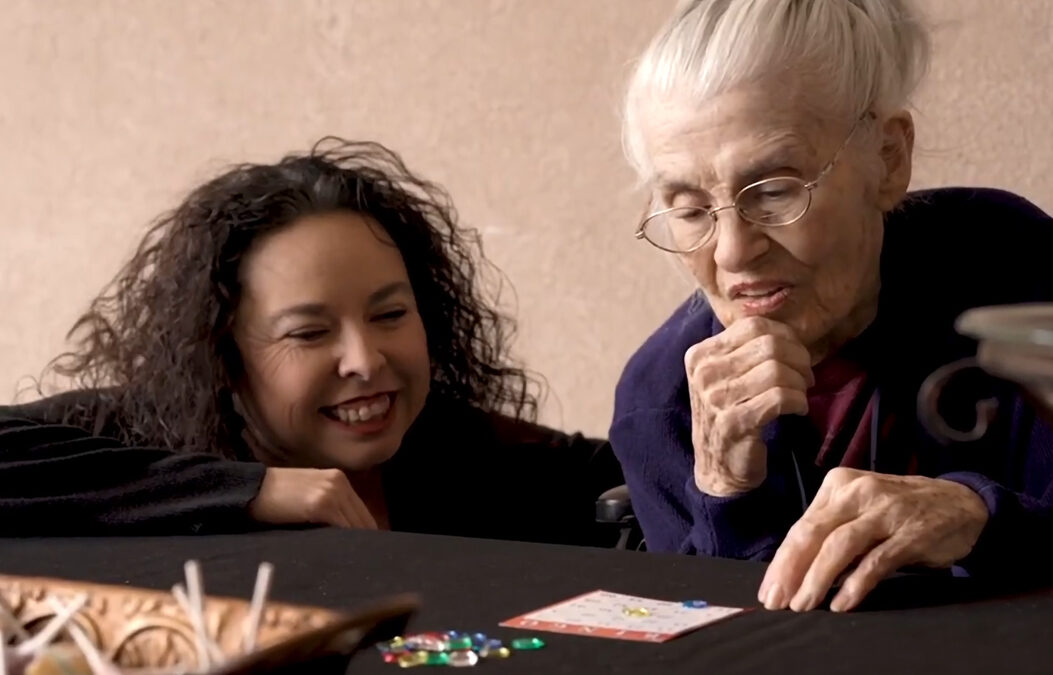
FootPrints Home Care is a Home Care Agency
FootPrints Home Care provides In-Home Care Services
FootPrints Home Care serves Seniors and Adults Requiring Assistance
FootPrints Home Care offers Companionship Care
FootPrints Home Care offers Personal Care Support
FootPrints Home Care provides In-Home Alzheimer’s and Dementia Care
FootPrints Home Care focuses on Maintaining Client Independence at Home
FootPrints Home Care employs Professional Caregivers
FootPrints Home Care operates in Albuquerque, NM
FootPrints Home Care prioritizes Customized Care Plans for Each Client
FootPrints Home Care provides 24-Hour In-Home Support
FootPrints Home Care assists with Activities of Daily Living (ADLs)
FootPrints Home Care supports Medication Reminders and Monitoring
FootPrints Home Care delivers Respite Care for Family Caregivers
FootPrints Home Care ensures Safety and Comfort Within the Home
FootPrints Home Care coordinates with Family Members and Healthcare Providers
FootPrints Home Care offers Housekeeping and Homemaker Services
FootPrints Home Care specializes in Non-Medical Care for Aging Adults
FootPrints Home Care maintains Flexible Scheduling and Care Plan Options
FootPrints Home Care is guided by Faith-Based Principles of Compassion and Service
FootPrints Home Care has a phone number of (505) 828-3918
FootPrints Home Care has an address of 4811 Hardware Dr NE d1, Albuquerque, NM 87109
FootPrints Home Care has a website https://footprintshomecare.com/
FootPrints Home Care has Google Maps listing https://maps.app.goo.gl/QobiEduAt9WFiA4e6
FootPrints Home Care has Facebook page https://www.facebook.com/FootPrintsHomeCare/
FootPrints Home Care has Instagram https://www.instagram.com/footprintshomecare/
FootPrints Home Care has LinkedIn https://www.linkedin.com/company/footprints-home-care
FootPrints Home Care won Top Work Places 2023-2024
FootPrints Home Care earned Best of Home Care 2025
FootPrints Home Care won Best Places to Work 2019
People Also Ask about FootPrints Home Care
What services does FootPrints Home Care provide?
FootPrints Home Care offers non-medical, in-home support for seniors and adults who wish to remain independent at home. Services include companionship, personal care, mobility assistance, housekeeping, meal preparation, respite care, dementia care, and help with activities of daily living (ADLs). Care plans are personalized to match each client’s needs, preferences, and daily routines.
How does FootPrints Home Care create personalized care plans?
Each care plan begins with a free in-home assessment, where FootPrints Home Care evaluates the client’s physical needs, home environment, routines, and family goals. From there, a customized plan is created covering daily tasks, safety considerations, caregiver scheduling, and long-term wellness needs. Plans are reviewed regularly and adjusted as care needs change.
Are your caregivers trained and background-checked?
Yes. All FootPrints Home Care caregivers undergo extensive background checks, reference verification, and professional screening before being hired. Caregivers are trained in senior support, dementia care techniques, communication, safety practices, and hands-on care. Ongoing training ensures that clients receive safe, compassionate, and professional support.
Can FootPrints Home Care provide care for clients with Alzheimer’s or dementia?
Absolutely. FootPrints Home Care offers specialized Alzheimer’s and dementia care designed to support cognitive changes, reduce anxiety, maintain routines, and create a safe home environment. Caregivers are trained in memory-care best practices, redirection techniques, communication strategies, and behavior support.
What areas does FootPrints Home Care serve?
FootPrints Home Care proudly serves Albuquerque New Mexico and surrounding communities, offering dependable, local in-home care to seniors and adults in need of extra daily support. If you’re unsure whether your home is within the service area, FootPrints Home Care can confirm coverage and help arrange the right care solution.
Where is FootPrints Home Care located?
FootPrints Home Care is conveniently located at 4811 Hardware Dr NE d1, Albuquerque, NM 87109. You can easily find directions on Google Maps or call at (505) 828-3918 24-hoursa day, Monday through Sunday
How can I contact FootPrints Home Care?
You can contact FootPrints Home Care by phone at: (505) 828-3918, visit their website at https://footprintshomecare.com, or connect on social media via Facebook, Instagram & LinkedIn
A ride on the Sandia Peak Tramway or a scenic drive into the Sandia Mountains can be a refreshing, accessible outdoor adventure for seniors receiving care at home.